


Phone:
+86-13456733297


Views: 0 Author: HengYi Packaging Technical Team Publish Time: 2026-08-24 Origin: HengYi Packaging Factory Records


There is no honest single MOQ for every custom PE bag. A small printed bag may need more pieces than a large bag, while an unprinted order can usually start at about half the printed quantity. Film thickness, resin consumption, printing setup and bag-making efficiency all affect the final minimum.
The following figures are practical starting points from our current production. They are not fixed promises for every design; the confirmed MOQ depends on material, thickness, printing coverage and converting details.
Bag size | Unprinted reference MOQ | Printed reference MOQ | Why it changes |
|---|---|---|---|
20 × 30 cm | About 10,000 pcs | About 20,000 pcs | Smaller bags use less film per piece, so more pieces are needed for an efficient run. |
40 × 50 cm | About 5,000 pcs | About 10,000 pcs | Larger bags consume more film per piece and reach an efficient batch weight sooner. |
Both examples assume approximately 0.04 mm single-side thickness. Thicker film can reduce the piece count for the same production weight; thinner film can increase it.
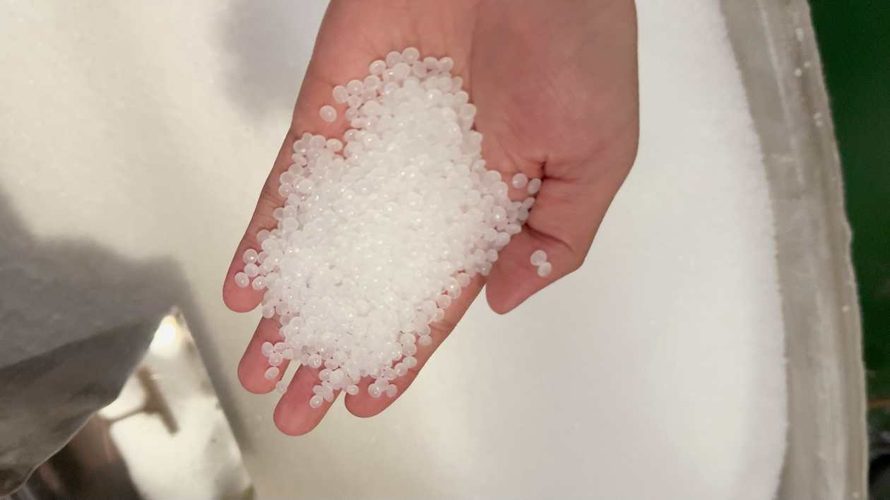
PE resin is checked before it enters the blown-film production process.
Custom printed bags require more than ink. The job includes artwork confirmation, gravure plate preparation, colour matching, press setup and registration adjustment. The stable portion of the run must be long enough to spread those setup costs across a sensible quantity.
Our gravure printing supports up to 8 colours. A normal plate charge is USD 100 per colour. Plates can be stored free of charge and reused for repeat orders. If the bag size, artwork or colour separation changes, new plates are required.
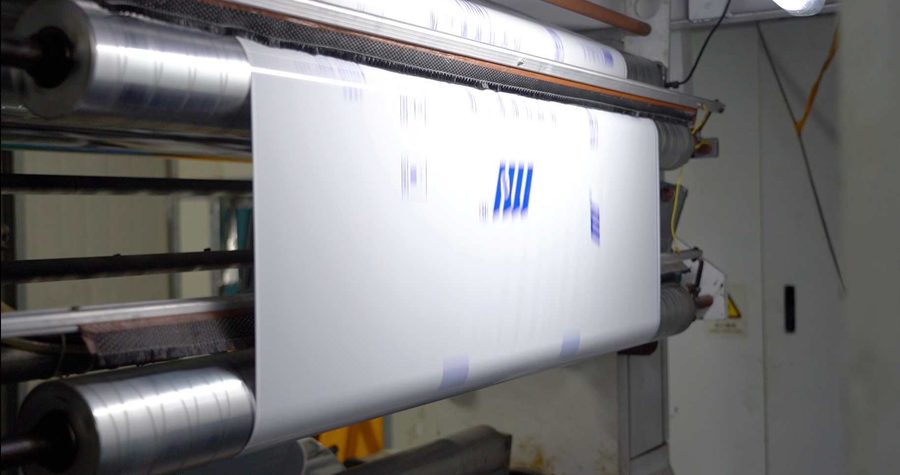
Printing setup and colour registration are important factors in custom-bag MOQ.
This is why an extremely small printed order can be poor value: the plate and setup cost may be close to, or even exceed, the value of the bags. For early-stage designs, it is often better to test the dimensions with unprinted samples first, then approve printed samples after the artwork and commercial quantity are stable.
Thicker film consumes more kilograms per thousand bags. LDPE and HDPE also run differently, and recycled material can be quoted when the application allows it. Final pricing is calculated from the confirmed specification.
Flat open bags are usually the simplest to start. Side gussets, zipper closures, sliders, handle holes, perforation, bags on a roll and special seals add converting steps. See our flat PE bag, side-gusset bag and zipper bag examples.
Cartons or woven bags can be used, normally controlled around 20–25 kg per carton or package. Plastic pallets can be added when the shipping plan requires them. EXW, FOB and DDP quotations are available, while the base reference prices should always state the trade term.
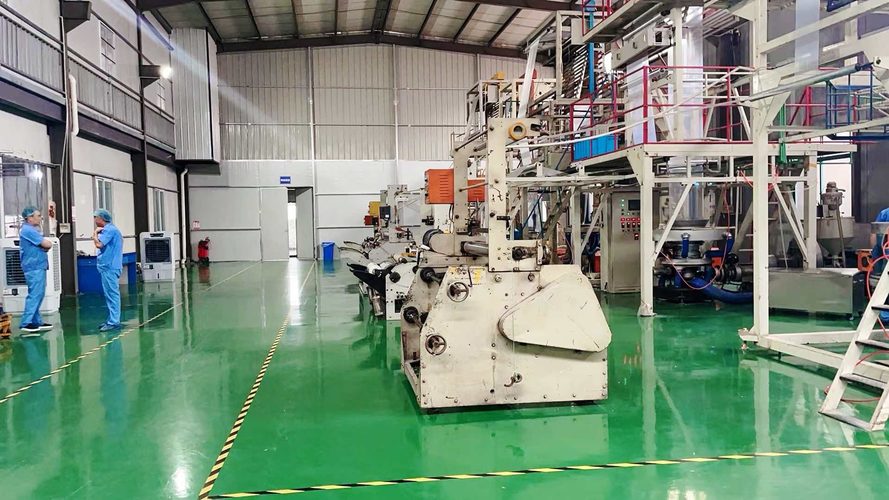
The production route must balance film output, printing and bag-making capacity.
Stock samples: free, with freight paid by the buyer
Custom unprinted sample: USD 25 per specification, normally completed within 3 days
Printed sample: normally about 10 days after artwork and plate details are confirmed
Regular mass production: normally within 3 weeks
Production quantity tolerance: within ±5%, with the balance adjusted to the actual shipped quantity
Send bag width × length, single-side thickness, material, colour, printing artwork and colours, quantity, packing preference and delivery country. If one item is uncertain, tell us the packed product and use scenario. We will give a reference range first and calculate the final price after the complete specification is confirmed.
Technical basis: current HengYi Packaging production specifications and quality-control records. Reviewed by the HengYi Packaging Technical Team.
